Vape cartridges come in a wide range of shapes, thread types, and materials, and the differences between them matter more than most buying guides let on. This article walks through what a cartridge actually is, how the main types differ, what specs are worth checking before a purchase, and how to store and handle cartridges safely. It is written for adults who already use these products and want clearer information, not as an endorsement of any brand or as encouragement to start vaping.
Nicotine and cannabis vape products are intended for adults only. Laws on sale, possession, and use vary by country, state, and even city, so checking local regulations before buying or using any cartridge is a necessary first step, not an optional one.
What Is a Vape Cartridge
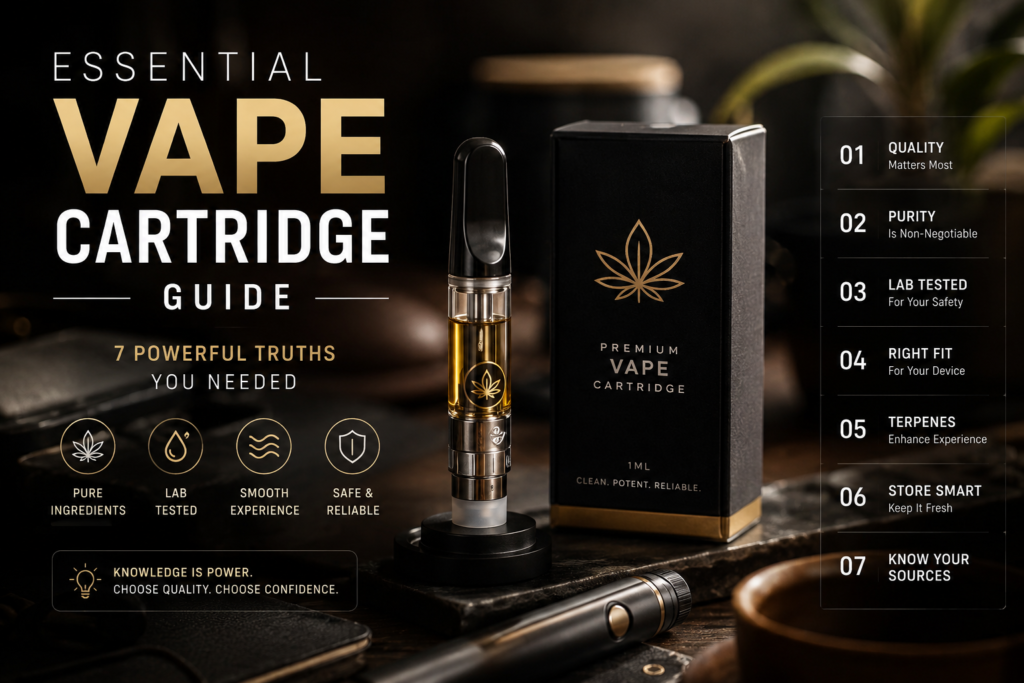
A vape cartridge is a small, usually cylindrical container that holds e-liquid or concentrate and connects to a battery or vape pen. Inside the cartridge sits a heating element, commonly called an atomizer or coil, along with a wick or wicking material that draws liquid to the coil. When the battery activates the coil, it heats the liquid enough to turn it into vapor without burning it.
Cartridges are different from disposable vapes, which combine the battery and cartridge into a single sealed unit, and from refillable tanks, which are larger, reusable containers that are filled and cleaned repeatedly rather than replaced. A standard cartridge sits in the middle: it is replaceable, but it is not typically refilled once empty, and its internal parts are usually not designed to be taken apart.
Main Parts of a Cartridge
- Mouthpiece: the top piece the user draws vapor through, often removable for cleaning.
- Chamber or tank: the section holding the e-liquid or concentrate.
- Coil or atomizer: the heating element, usually made from a resistance wire wrapped around a wicking core.
- Wick: the material that carries liquid from the chamber to the coil, commonly cotton, ceramic, or a mesh material.
- Threading or connector: the base that screws or clicks onto a battery.
Common Types of Vape Cartridges
Cartridges are generally grouped by the connector type they use, since that determines which batteries they are compatible with.
510-Thread Cartridges
The 510 thread is the most widely used connector in the vape industry. It gets its name from the thread pitch and refers to a standard screw-on fitting found on most vape pen batteries. Because so many manufacturers use this thread size, 510 cartridges tend to be interchangeable across a large number of battery brands, which makes them a common choice for people who want more flexibility in what device they pair with a cartridge.
Proprietary or Brand Specific Vape Cartridges
Some manufacturers design vape cartridges that only fit their own branded batteries. These systems are sometimes built around magnetic connectors, unique thread patterns, or built in chips that communicate with a matching battery. The tradeoff is that they usually cannot be swapped between brands, so a buyer is committing to a closed ecosystem when choosing one of these.
Pod Style Cartridges
Pod systems use small, often rectangular cartridges that slide or click into a pod device rather than screwing on. These are common in nicotine vaping and are generally not interchangeable with 510 thread devices. Pod cartridges are frequently pre-filled and sealed, and many are designed to be disposed of once empty rather than refilled.
All in One Cartridges
Some cartridges are sold as part of a fully sealed, all in one unit that includes both the battery and the cartridge, meant to be discarded after the liquid or concentrate is used up. These are not separable in the way 510 thread systems are, and there is no cartridge to replace on its own.
Materials Used in Cartridges
The material a cartridge is made from can affect flavor, durability, and how the cartridge holds up over time.
Glass Cartridges
Glass chambers are considered chemically inert, meaning they generally do not react with or absorb flavor from the liquid or concentrate inside them. This makes glass a common choice for products where flavor consistency matters. The main downside is fragility, since glass cartridges can crack or shatter if dropped.
Plastic Cartridges
Plastic vape cartridges are lighter and more resistant to breaking than glass, which makes them practical for everyday carrying. Depending on the type of plastic used and the type of liquid inside, some users report that plastic can interact with certain concentrates over long storage periods, though this varies by product and manufacturer.
Ceramic Cartridges
Ceramic is often used for the coil or wicking element rather than the entire chamber. Ceramic coils are valued for heating evenly and for not imparting a burnt taste as quickly as some cotton wick designs, particularly at higher temperatures.
Metal Components
Most vape cartridges include some metal parts, typically stainless steel or a similar alloy, in the threading, coil housing, or mouthpiece band. Metal is chosen for these parts because of its durability and resistance to corrosion from repeated heating cycles.
What to Check Before Buying a Cartridge
Thread Compatibility
Before buying a cartridge, checking that it matches the thread type of an existing battery is the most basic and most commonly overlooked step. A 510 thread cartridge will not fit a proprietary pod system, and forcing an incompatible connection can damage both the cartridge and the battery.
Coil Material and Resistance
Vape cartridges with different coil materials can produce noticeably different vapor and flavor. The resistance rating, measured in ohms, affects how much power the coil draws from the battery and how hot it runs. Lower resistance coils typically produce more vapor and heat, while higher resistance coils run cooler. Matching a cartridge’s resistance to a battery’s voltage output, when that information is available, helps the coil perform as intended.
Chamber Size and Fill Volume
Cartridge capacity is usually listed in milliliters and can range from very small pod style cartridges to larger 510 thread tanks. A larger chamber means less frequent replacement or refilling, but it also means a larger financial commitment if the flavor or concentrate does not turn out to be a good fit.
Airflow Design
Airflow, sometimes called draw resistance, refers to how much air moves through the cartridge with each inhale. Some vape cartridges have adjustable airflow rings or slots, while others have a fixed opening. A tighter draw feels closer to a traditional cigarette, while a more open draw allows for larger vapor volume, which is a matter of personal preference rather than one being objectively better.
Packaging and Labeling
For any product containing nicotine or a regulated substance, checking the packaging for ingredient information, batch or lot numbers, and any required warning labels is a reasonable step before purchase. Products sold through licensed retailers are more likely to carry accurate labeling than those purchased through unregulated or unofficial channels.
How to Store Cartridges Properly
Cartridge liquids and concentrates are sensitive to heat, light, and air, all of which can affect flavor and consistency over time.
- Keep cartridges upright when not in use to reduce the chance of leaking through the mouthpiece or airflow holes.
- Store in a cool, dark place, since heat and direct sunlight can degrade both the liquid and the plastic or rubber seals inside the cartridge.
- Avoid extreme temperature swings, such as leaving a cartridge in a hot car, which can cause the liquid to expand and leak or cause seals to weaken.
- Keep cartridges away from children and pets, ideally in a locked or high, out of reach storage space, given that nicotine and cannabis products can be harmful if ingested accidentally.
- Check for leaks or discoloration before use, particularly if a cartridge has been stored for an extended period.
Cartridge Maintenance and Handling
Even though most cartridges are not designed to be disassembled, a few basic habits can extend their usable life and keep them functioning as intended.
- Wipe the connector threads periodically with a dry cloth or cotton swab to remove residue that can interfere with the battery connection.
- Avoid overtightening a cartridge onto a battery, since forcing the threads can crack the connector or strip the threading.
- Let a new cartridge sit for a few minutes after attaching it to a battery, which allows the wick time to fully absorb the liquid before use, reducing the chance of a burnt taste on the first few draws.
- Take short draws initially with a new cartridge rather than long ones, to gauge how the coil is performing before committing to longer sessions.
Disposal Considerations
Vape cartridges contain electronic components, in some cases residual liquid or concentrate, and sometimes lithium batteries if sold as part of an all in one unit. Because of this, they generally should not go into regular household trash in areas that regulate electronic or battery waste. Many regions have specific electronic waste or battery recycling programs, and some retailers offer take back programs for used cartridges and vape hardware. Checking local waste management guidelines is the most reliable way to confirm the correct disposal method in a given area.
Health and Safety Notes
Vaping products, including cartridges containing nicotine or THC, carry health risks that are still being studied, and this guide does not attempt to characterize those risks as minor or serious on the reader’s behalf. Nicotine is an addictive substance, and vape products are not recommended for anyone who does not already use nicotine, for minors, or for pregnant individuals. Anyone with health concerns related to vaping, or anyone considering quitting nicotine use, is better served by speaking with a doctor or a licensed cessation program than by relying on general buying guides like this one.
Counterfeit and unregulated cartridges have been linked to safety incidents in some markets, often because they contain undisclosed additives or are manufactured without quality controls. Buying from licensed, regulated retailers and checking for lab testing information, where it is legally required and available, reduces exposure to these risks compared to buying from unverified sources.
Frequently Asked Questions
Are all vape cartridges refillable? No. Most cartridges sold as pre-filled, disposable units are not designed to be refilled, and attempting to open or refill them can damage the coil or void any manufacturer guarantee. Refillable cartridges are typically labeled as such and are sold empty or with a fill port.
Can I use a 510 thread cartridge on any battery? Most 510 thread batteries will physically connect to most 510 thread cartridges, but voltage output still needs to be appropriate for the coil resistance inside the cartridge to avoid overheating or underperformance.
How long does a cartridge typically last? This depends heavily on chamber size, how often the device is used, and draw length per use, so there is no single accurate answer that applies across all products and usage patterns.
Is glass or plastic better for a cartridge? Neither material is universally better. Glass is generally considered more flavor neutral, while plastic is more resistant to breaking. The right choice depends on what a buyer prioritizes.
Final Thoughts
Choosing a vape cartridge comes down to matching thread type, material, and capacity to what a specific battery and use case require, rather than assuming one style of cartridge works for everyone. Checking compatibility, reading available labeling, buying from regulated retailers, and storing cartridges properly are the steps most likely to affect both performance and safety. For anything related to health risks or decisions about nicotine use, a healthcare provider remains a more appropriate resource than any product guide.