The vaping vs smoking debate comes up constantly, whether it’s in conversations between friends, in doctor’s offices, or across countless articles online. Despite how often the topic is discussed, a lot of the information out there is either outdated, overly simplified, or written with an obvious bias in one direction. This article aims to lay out the vaping vs smoking comparison honestly, covering what current evidence actually says, where the uncertainty still lies, and what factors matter most if you’re an adult smoker weighing your options.
Why People Compare Vaping and Smoking in the First Place
Cigarette smoking has been studied for decades, and the health risks are extremely well documented at this point. Vaping, by comparison, is a newer technology, which means the research base, while growing, is still not as mature. That gap in available data is part of what fuels so much back and forth in the vaping vs smoking conversation. People want clear answers, but the honest truth is that some questions about the long term effects of vaping simply don’t have definitive answers yet.
How Smoking Affects the Body
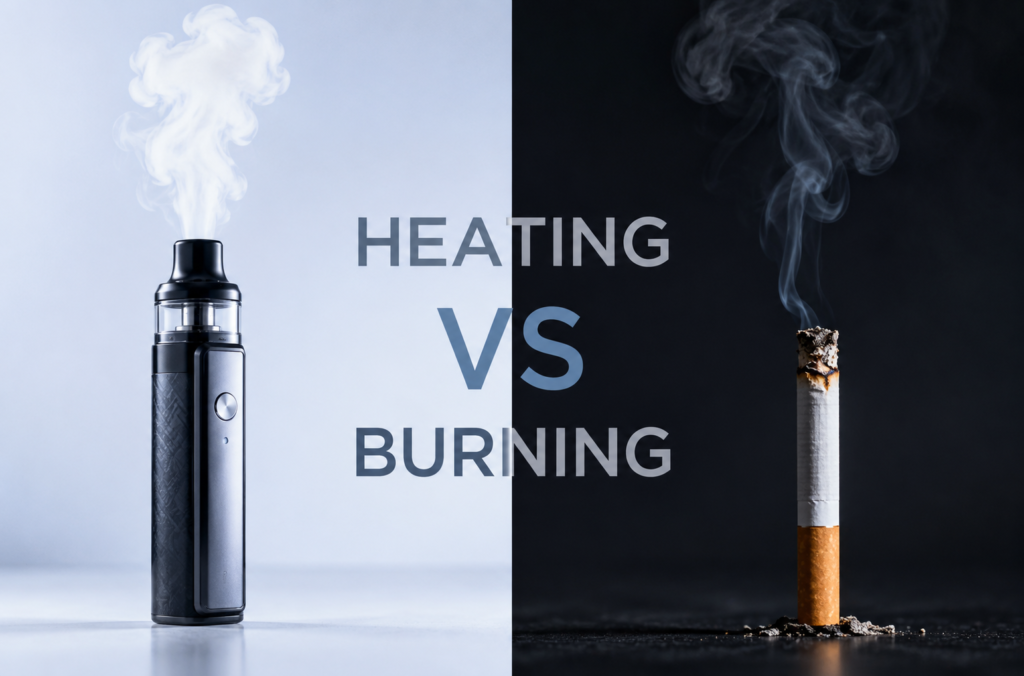
Traditional cigarettes work by burning tobacco, and that combustion process is where a huge portion of the health risk comes from. Burning tobacco releases thousands of chemicals, including tar and carbon monoxide, along with dozens of substances known to cause cancer. This is why smoking is linked so strongly to conditions like lung cancer, heart disease, chronic obstructive pulmonary disease, and a long list of other serious health problems.
It’s the combustion itself, not just the nicotine, that public health experts point to as the primary driver of smoking related illness. This distinction matters a lot in the vaping vs smoking conversation, since Vaping vs Smoking devices don’t involve burning anything.
How Vaping Works Differently
Vaping vs Smoking devices heat e-liquid to create an inhaler aerosol, without any combustion taking place. Because there’s no burning involved, vaping avoids producing tar and many of the combustion byproducts found in cigarette smoke. This is the central argument behind the idea that vaping may expose users to fewer harmful substances compared to smoking.
That said, Vaping vs Smoking aerosol isn’t simply harmless water vapor. It typically contains nicotine, flavoring chemicals, and trace amounts of other substances, some of which are still being studied for their long term health effects. Several public health organizations, including bodies in the UK, have stated that vaping carries a small fraction of the risk of smoking for adult smokers who switch completely, but “a fraction of the risk” is not the same as “no risk at all.”
Comparing Nicotine Delivery
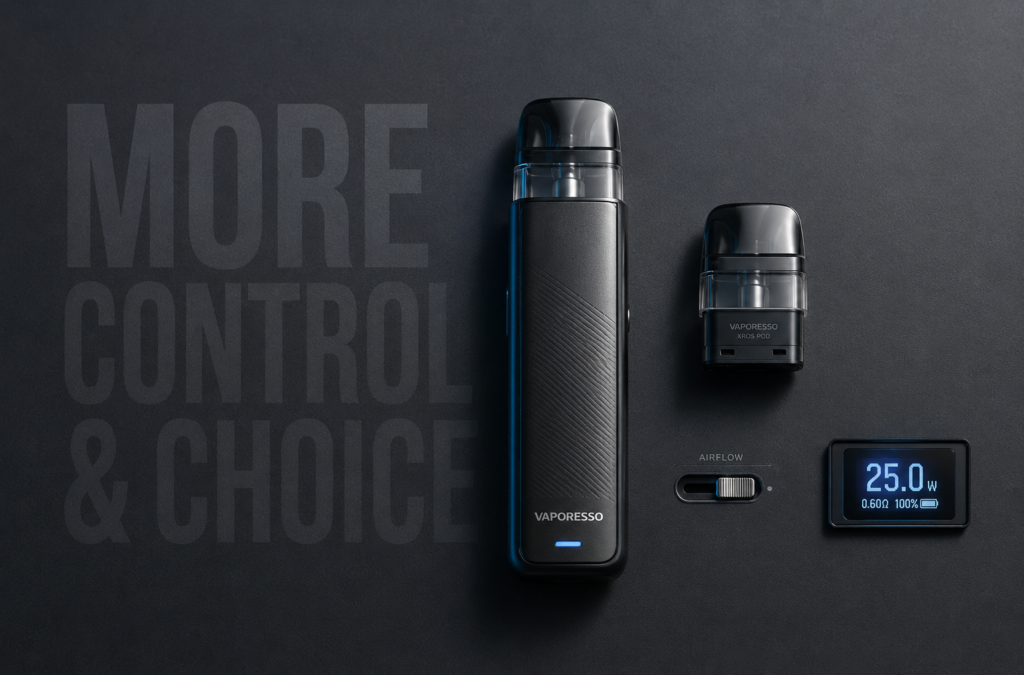
Both cigarettes and most vaping products deliver nicotine, and nicotine itself is addictive regardless of the method used to consume it. One difference worth noting in the vaping vs smoking comparison is that vaping allows for more control over nicotine strength, since e-liquids come in a range of concentrations, including nicotine free options. Cigarettes don’t offer that kind of flexibility, since nicotine content is fixed by the manufacturer.
This flexibility is part of why some smokers use Vaping vs Smoking as a step down approach, gradually reducing their nicotine strength over time. It’s worth mentioning that this strategy doesn’t work for everyone, and results vary quite a bit from person to person.
Secondhand Exposure: Smoke Versus Vapor
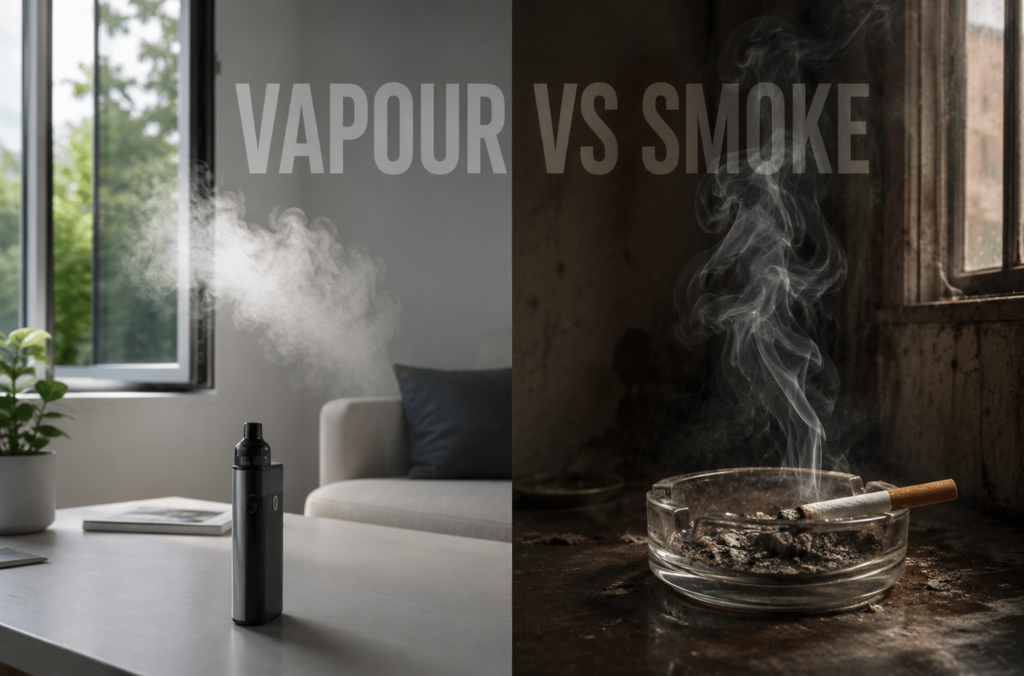
Secondhand cigarette smoke is a well established health hazard, containing many of the same harmful chemicals inhaled by the smoker themselves. Secondhand vapor from e-cigarettes has generally been found to contain lower levels of harmful substances compared to secondhand cigarette smoke, though it isn’t necessarily free of all risk either. Because research in this specific area is still developing, many public spaces and workplaces choose to apply similar restrictions to both smoking and vaping out of caution.
Cost Comparison Over Time
Setting health considerations aside for a moment, cost is another factor people weigh in the vaping vs smoking decision. A regular cigarette habit tends to be a recurring, fairly predictable daily expense. Vaping vs Smoking costs can vary widely depending on the device type and how heavily someone vapes. Disposable vapes, for example, can end up costing a similar amount to smoking over time, while refillable systems using bottled e-liquid are often less expensive per day for people who vape regularly, once the upfront cost of the device itself is factored in.
Social and Practical Differences
Smoking and vaping also differ in some practical, day to day ways.
- Cigarette smoke tends to leave a stronger lingering odor on clothing, hair, and indoor spaces compared to vapor, which usually dissipates faster and smells more like the chosen e-liquid flavor
- Vaping devices generally don’t require matches or lighters, and many are rechargeable rather than disposable in the way a pack of cigarettes is
- Smoking bans in public places have existed for a long time in most regions, while Vaping vs Smoking regulations are newer and vary more by location, so it’s worth checking local rules before assuming the same spaces that ban smoking also allow vaping
What the Research Actually Shows So Far
It’s important to be careful and specific here, since this is an area where overstating certainty in either direction does a disservice to anyone trying to make an informed decision.
Points Where There’s Reasonable Scientific Agreement
Most major health authorities agree that vaping is likely to expose users to fewer toxic chemicals than smoking combustible cigarettes, largely because there’s no combustion involved. There’s also fairly broad agreement that nicotine itself, while addictive, is not the primary cause of smoking related cancers and lung disease, tar and combustion byproducts are.
Points That Remain Uncertain
Long term data on vaping, especially over spans of twenty or thirty years, simply doesn’t exist yet in the way it does for smoking, since vaping hasn’t been around nearly as long. Researchers are still studying questions around the long term cardiovascular and respiratory effects of vaping, as well as the impact of specific flavoring chemicals when inhaled repeatedly over many years. Anyone claiming to have complete, settled answers to these questions is getting ahead of the actual evidence.
Who Should Actually Consider Vaping Instead of Smoking
Public health guidance in several countries generally frames vaping as a potential harm reduction tool specifically for adult smokers who are looking for an alternative to combustible cigarettes, not as something for non smokers to take up. If you currently smoke and are considering vaping vs smoking as part of a plan to quit or reduce your risk, a conversation with a doctor is a reasonable place to start, since they can walk you through the full range of options, including nicotine replacement therapy, prescription medications, and vaping, based on your specific health situation.
If you don’t currently smoke, most health authorities do not recommend starting vaping, since it introduces nicotine dependence risk without the “reduction from a worse baseline” argument that applies to smokers.
Withdrawal, Cravings, and the Habit Side of Both
Part of what makes the vaping vs smoking comparison complicated is that both habits involve more than just nicotine chemistry. Smoking, and to some extent vaping, are also tied to routine and ritual, the hand to mouth motion, the short break during a stressful day, the social aspect of stepping outside with coworkers. This behavioral side is a big reason quitting either one is genuinely difficult, separate from the physical nicotine dependence itself.
Some smokers find that vaping helps address both the nicotine craving and the behavioral habit simultaneously, since the physical motion of vaping is somewhat similar to smoking. Others find that vaping doesn’t fully satisfy the habit side of things and end up using both, which is sometimes referred to as dual use. Public health experts generally view dual use as less beneficial than switching completely, since it doesn’t reduce exposure to the combustion byproducts that come from any continued cigarette smoking, even at a reduced level.
Age and Regulatory Differences Worth Knowing
Both cigarettes and vaping products are age restricted, though the specific minimum age and the details of enforcement vary by country and, in places like the United States, by state as well. Regulations around where vaping is permitted, what flavors can legally be sold, and how products must be labeled have also been changing fairly frequently in recent years, more so than long standing cigarette regulations, which have been fairly stable for decades in most regions. Anyone weighing vaping vs smoking as an option should check current local regulations directly, since assuming older information is still accurate can lead to confusion, especially given how quickly some jurisdictions have updated their vaping laws.
What Doctors and Health Bodies Generally Recommend
Most healthcare providers and public health organizations frame the vaping vs smoking discussion in a specific, fairly narrow way: for people who already smoke and are not able or willing to quit nicotine entirely, switching completely to Vaping vs Smoking is likely to reduce their exposure to harmful chemicals compared to continuing to smoke. This is different from a blanket endorsement of vaping in general. The same organizations typically continue to recommend complete abstinence from both nicotine and tobacco products as the best outcome for long term health, and they generally advise against vaping for people who have never smoked, including teenagers and young adults, due to the addiction risk and the unresolved long term health questions discussed earlier.
Making an Informed Personal Decision
The vaping vs smoking comparison isn’t really about declaring one option universally “good” and the other universally “bad.” It’s about understanding that both carry real risks, that those risks differ in nature and degree, and that the right decision depends heavily on someone’s individual circumstances, particularly whether they’re currently a smoker exploring alternatives.
Environmental Differences Between Vaping and Smoking
Beyond personal health, the vaping vs smoking comparison also has an environmental angle that’s worth a brief mention. Cigarette butts are among the most commonly littered items worldwide, and the filters are made from a type of plastic that breaks down slowly, leaching chemicals into soil and waterways over time. Vaping introduces its own environmental considerations, particularly around disposable devices, which contain batteries, plastic components, and small amounts of residual e-liquid that should ideally be disposed of through proper battery or electronic waste recycling rather than a regular trash bin. Refillable vape devices tend to generate less ongoing waste compared to both cigarette filters and disposable vapes, since the same device can be reused for a long time with only pods, coils, or e-liquid bottles needing regular replacement.
Personal Circumstances Matter More Than General Rules
It’s worth repeating that the vaping vs smoking comparison plays out differently depending on individual circumstances. A forty year old pack a day smoker with a family history of heart disease is in a very different position than a twenty five year old social smoker who only lights up occasionally at gatherings. Health conditions, pregnancy, other medications, and personal history with nicotine dependence all factor into what a reasonable path forward looks like. This is exactly why blanket statements in either direction, whether “vaping is basically harmless” or “vaping is just as bad as smoking,” tend to oversimplify a genuinely nuanced topic. A conversation with a healthcare provider who knows your specific health background remains the most reliable way to figure out what makes sense for you.
Frequently Asked Questions About Vaping vs Smoking
Is vaping completely safe compared to smoking? No. Vaping is generally considered less harmful than smoking for adult smokers who switch completely, but it is not risk free, and non smokers are generally advised not to start.
Does vaping help people quit smoking? Some smokers have used vaping as part of a quit strategy, though success varies by individual, and it’s not officially approved as a smoking cessation treatment in every country. Talking to a healthcare provider about all available options is recommended.
Is secondhand vapor as harmful as secondhand smoke? Research generally suggests secondhand vapor contains lower levels of harmful substances than secondhand smoke, though it isn’t considered completely without risk.
Which is cheaper, vaping or smoking? It depends on the device and usage pattern, but refillable vaping systems are often less expensive over time compared to a regular cigarette habit, while some disposable vapes can cost a similar amount.
Understanding the real differences between vaping and smoking, rather than relying on assumptions from either side of the debate, puts you in a much stronger position to make a decision that actually fits your health and your circumstances.